
Understanding the psychological triggers that drive casino gambling behavior
Understanding the psychological triggers that drive casino gambling behavior
The Thrill of Uncertainty
The thrill of uncertainty is a fundamental psychological trigger in casino gambling. When players engage in games of chance, they are drawn to the unpredictable outcomes. This uncertainty creates a heightened sense of anticipation that can be both exhilarating and addictive. The possibility of winning a significant jackpot or even a small prize can elicit powerful emotional responses, fueling the desire to keep playing. As players experience this rollercoaster of emotions, they become more invested in the game, often disregarding the risks involved. In fact, players can easily navigate to https://tcl99.co.com/login.html to take part in their favorite games online.
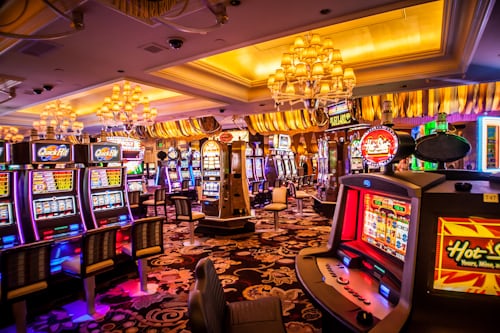
This psychological aspect is particularly potent in environments designed to stimulate excitement. The sounds of slot machines chiming, the visuals of flashing lights, and the interaction with other players amplify the adrenaline rush. These factors collectively enhance the thrill of not knowing what will happen next, making it a compelling reason for individuals to return to casinos time and again. Over time, players may associate these feelings of excitement with the act of gambling itself, which can lead to habitual gambling behavior.
Moreover, the unpredictability of gambling outcomes can encourage players to engage in what psychologists call “near misses.” When players come close to winning, such as landing two out of three needed symbols on a slot machine, the brain can release dopamine, a neurotransmitter associated with pleasure. This feeling reinforces the desire to gamble again, as players hope to achieve that exhilarating sensation of winning, creating a potentially dangerous cycle of behavior.
The Illusion of Control
The illusion of control is another psychological trigger that significantly impacts gambling behavior. Many players believe they can influence outcomes through their skills or strategies, even in games fundamentally reliant on chance. This misconception can lead to a false sense of confidence, prompting individuals to wager more money. For instance, players might believe that their betting strategies can improve their odds, making them less likely to recognize the inherent randomness of the game.
This false sense of control can be particularly prevalent in games like poker, where skill and strategy play a more substantial role. Players often convince themselves that they can ‘read’ their opponents or predict outcomes based on their previous experiences. This perception allows individuals to rationalize their continued gambling, believing they have an edge over the game or their competitors, further entrenching their behavior.
The gambling industry capitalizes on this psychology by promoting certain games as skill-based, which reinforces the illusion of control. This marketing creates an environment where individuals feel empowered, even when the odds are statistically against them. As a result, they are more likely to keep playing, chasing that elusive feeling of mastery over the game, which can lead to escalated gambling habits and potential financial trouble.
The Role of Social Influence
Social influence is a significant factor that can affect gambling behavior, both positively and negatively. The social environment in casinos—filled with other players, loud celebrations of wins, and shared excitement—can heighten an individual’s desire to participate. Humans are inherently social creatures; thus, the camaraderie and shared experiences that come with gambling can enhance the overall enjoyment of the activity. This social validation can be particularly appealing to those seeking a sense of belonging.
Conversely, peer pressure can also play a detrimental role in gambling behavior. Individuals may feel compelled to gamble more or engage in riskier betting when surrounded by others who are participating. The need to fit in or impress others can lead to decisions that might not align with their usual behavior. The more individuals socialize in gambling contexts, the more normalized those behaviors become, further encouraging frequent gambling.
Furthermore, the rise of online gambling has transformed how social influences manifest. Many platforms incorporate social elements, such as live dealer games and chat functionalities, allowing players to interact. While these features can enhance the experience, they can also lead to a group mentality where individuals feel pressured to gamble more than they initially intended. As such, social influence is a powerful psychological trigger that can significantly impact gambling behavior, promoting both enjoyment and potential overindulgence.
The Impact of Rewards and Reinforcement
Rewards and reinforcement are critical components that drive casino gambling behavior. The brain is wired to seek pleasure, and when players receive a reward—whether it’s a win, a bonus, or even the thrill of playing—they experience a dopamine release, which reinforces the behavior. This principle of operant conditioning explains why individuals often return to casinos or online gambling platforms, as the expectation of reward drives their actions. Each win, no matter how small, can encourage players to continue betting, perpetuating a cycle of reinforcement.
The frequency and timing of rewards can also affect behavior. Casinos often employ techniques such as variable ratio reinforcement schedules, where players receive rewards at unpredictable intervals. This unpredictability increases excitement and encourages prolonged gambling sessions. Players may find themselves playing longer in hopes of receiving that next big win, often leading to excessive play and potential financial difficulties.
Moreover, the marketing strategies used in casinos, such as loyalty programs and targeted bonuses, further enhance the reward system. These programs create a feeling of belonging and value, enticing players to return frequently. As players accumulate points or rewards, they may feel more inclined to continue their gambling behavior, driven by the desire to attain further rewards. This cycle of seeking rewards can be difficult to break, as players often chase the ‘high’ that comes with the occasional win.

Responsible Gaming at TCL99
At TCL99, a dedicated online gaming platform designed for Australian users, understanding the psychological triggers that drive gambling behavior is paramount. The site prioritizes responsible gaming practices, ensuring a safe environment for players aged 18 and over. Recognizing the thrill, illusions, and social influences associated with gambling, TCL99 implements measures to promote healthy gaming habits, such as deposit limits and self-exclusion options, allowing users to engage responsibly.
TCL99 also provides valuable resources to educate players about the risks of gambling and the importance of balance in their gaming experiences. Through informative content and support services, players are encouraged to make informed decisions about their gambling behavior. The platform emphasizes that gaming should remain a form of entertainment rather than a means of income, creating a culture of awareness around responsible play.
With 24/7 customer support and robust security features like two-factor authentication, TCL99 aims to create a trustworthy environment for online gaming. Players can enjoy a diverse range of casino games while having access to tools and resources designed to help them manage their gaming experience effectively. This commitment to responsible gaming reflects TCL99’s dedication to fostering a safe and enjoyable space for all users, ensuring their experience is both entertaining and secure.
Arama Formu
E-DERGİ

ÖNCEKİ WEB SİTEMİZ